特许权阶梯
权利分三个阶段推进:在划定区块内获得勘探许可证,资源得到证实后获得发现证书,然后获得与批准的开采计划相关的开采许可证。每个阶段都有有效期和承诺工作量条件。
外国投资者遇到的大多数争议来自继承的许可证,这些许可证可能已过承诺工作量期限或存在未解决的地表权重叠问题,因此产权尽职调查先于估值工作。
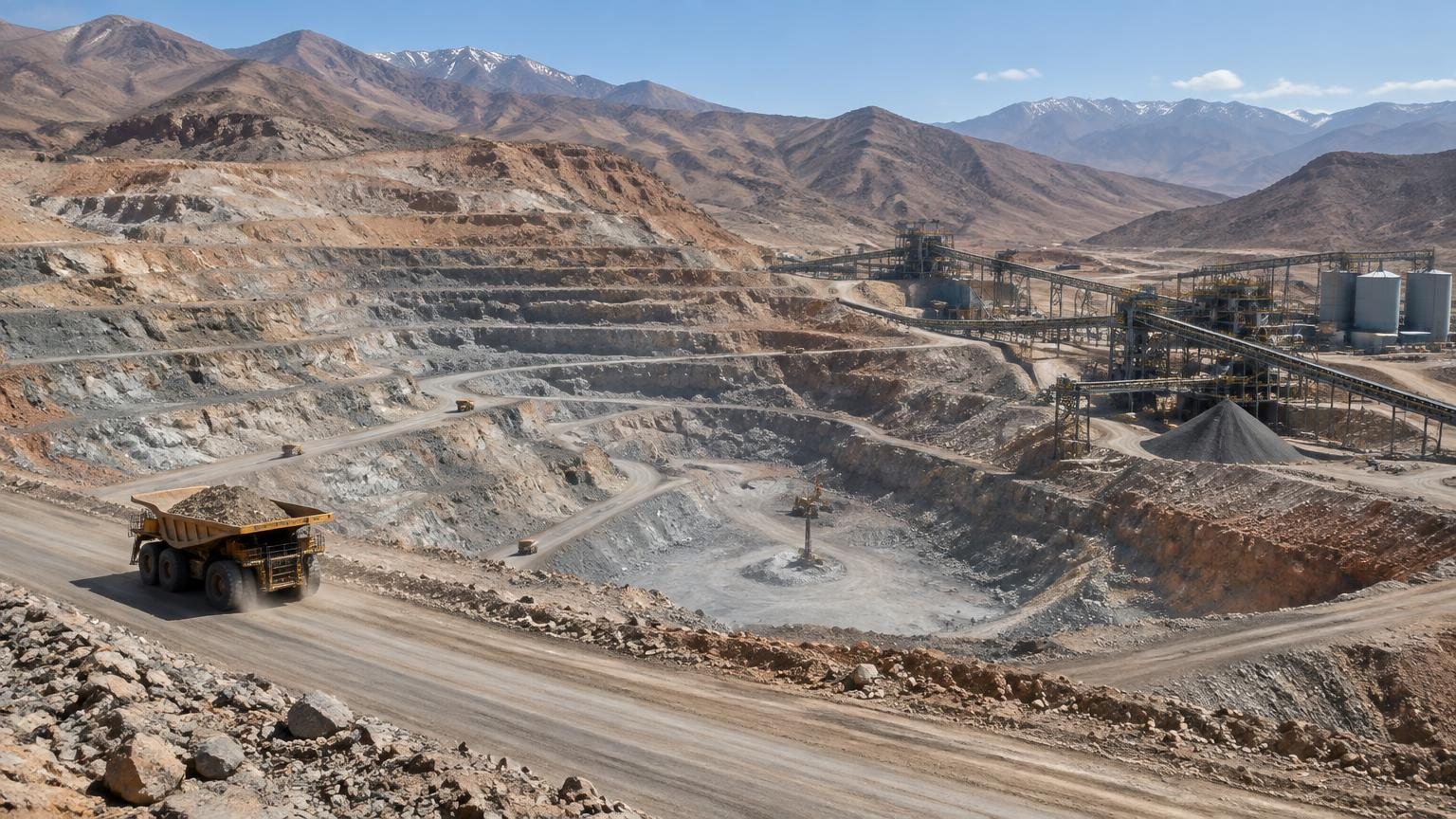
伊朗在铜、锌、铁矿石和工业矿产方面有采矿活动。请根据当前地质证据、独立审查的资源量、基础设施可达性和环境义务,评估每项许可证和矿床。
由 Global Investment Iran 顾问审核。
识别已释放或可收购的区块,在省级矿业登记处调取许可证文件,并核实工作承诺历史和地表权重叠情况。
注册一家股份公司以持有许可证;在大多数矿产类别中,外资持股比例最高可达100%。
申请区块上的新勘探许可证或转让现有许可证,并承诺工作计划和预算。
执行工作计划;已证实的资源将许可证转换为发现证书。
批准的矿山计划、环境许可和水资源分配将证书转换为具有固定政府特许权使用费份额的开采许可证。
在产量提升前,根据FIPPA注册进口资本,并安排精矿承购或下游加工。
| 项目 | 报价基础 | 备注 |
|---|---|---|
| 所有权和许可证尽职调查 | 请求范围报价 | 注册文件、重叠和承诺审查 |
| 持有实体注册 | 请求范围报价 | 股份公司(PJSC)及税务和社会保险文件 |
| 勘探许可证申请 | 请求范围报价 | 费用、测绘和技术文件提交 |
| 承诺的勘探计划 | 请求范围报价 | 测绘、地球化学、钻探;取决于区块 |
| 矿山计划和环境许可 | 请求范围报价 | 包括水资源分配研究 |
| 政府特许权使用费 | 请求范围报价 | 在开采许可证中设定 |
伊朗在铜、锌、铁矿石和工业矿产方面有采矿活动。请根据当前地质证据、独立审查的资源量、基础设施可达性和环境义务,评估每项许可证和矿床。
铜、锌、铁矿石和装饰石材主导生产。将现代勘探技术应用于历史上已测绘但钻探不足的地块,是价值不对称性所在。
权利分三个阶段推进:在划定区块内获得勘探许可证,资源得到证实后获得发现证书,然后获得与批准的开采计划相关的开采许可证。每个阶段都有有效期和承诺工作量条件。
外国投资者遇到的大多数争议来自继承的许可证,这些许可证可能已过承诺工作量期限或存在未解决的地表权重叠问题,因此产权尽职调查先于估值工作。
乌尔米耶-多赫塔尔岩浆带拥有斑岩铜矿系统;扎格罗斯和伊朗中部拥有锌铅矿和工业矿物。加工能力而非矿石是国家的瓶颈——精矿经常未经精炼就出口。
因此,对选矿厂、冶炼厂和增值金属的下游投资在风险调整后的条件下比绿地勘探更具竞争力。
在伊朗大多数矿区,水资源可用性决定项目设计,干法或闭环加工通常是许可条件而非可选效率措施。
电力供应、通往阿巴斯港的铁路和公路以及设备进口渠道是决定资源能否变成矿山的其他三个因素。
铜是旗舰产品:萨尔切什梅、松贡和米杜克斑岩系统支撑着超过国内冶炼能力的国家精矿流。锌集中在迈赫迪阿巴德和安古兰,这是世界上较大的锌铅矿群之一,硫化物和氧化物混合是关键冶金问题。
铁矿石供应年产约3000万吨的粗钢产业,因此球团和精矿项目有保证的国内承购。铬铁矿、装饰石材、硅石、长石和天青石构成了庞大且分散的工业矿物板块,小型外国运营商可以以较低资本进入。
主要有三种途径。收购持有许可证的伊朗公司的股权是最快的,并将工作转向产权尽职调查。针对承诺勘探预算的农场入股适合希望接触地质而不购买遗留资产负债表的勘探者。建设加工厂处理第三方精矿完全避免许可证风险,并解决国家瓶颈。
无论选择哪种途径,伊朗持有方必须是注册实体,因此公司注册以及(在资本进口时)FIPPA许可证与采矿审批并行进行,而非之后。
确认许可证持有方、地籍边界、允许的工作和剩余义务。勘探结果、资源量和经济可采储量是不同的分类。
独立的 geological 审查应与回收测试、物流、水电接入、权利金和关闭成本相结合。记录假设和不确定性,而不是直接将资源量数字转化为收入。
通过三阶段系统:勘探许可证、发现证书,然后开采许可证。外国投资者通常通过合资企业收购现有许可证,并在尽职调查期间核实工作承诺的履行情况。
铜、锌、铁矿石、装饰石材和规格石材,以及大量的铬铁矿、铅和工业矿物。
所有权。在继承的特许权中,工作承诺过期、权利要求重叠和地表权不明确是常见问题。
部分有。精矿产能超过冶炼和精炼产能,这就是下游加工项目获得政策支持的原因。
许可证由在伊朗注册的实体持有,但根据FIPPA,在大多数矿产类别中,该实体可以由外资100%拥有。实际上,外国投资者通过股份公司持有,并将许可证与涵盖进口资本的FIPPA许可证配对。
政府份额(权利金)按每种商品和每个许可证设定,通常为开采矿石出厂价值的几个百分点,并在开采许可证中与批准的矿山计划一起固定。
勘探许可证通常授予一至两年,延期与已证明的工作承诺挂钩。未能履行承诺的计划是许可证失效并变得可竞争的最常见原因。
Urumieh-Dokhtar铜矿带、Sanandaj-Sirjan锌铅和金矿区、Central Iran铁矿石和工业矿物区块,以及Khorasan铬铁矿和规格石材区块,都有定期招标释放的区块。