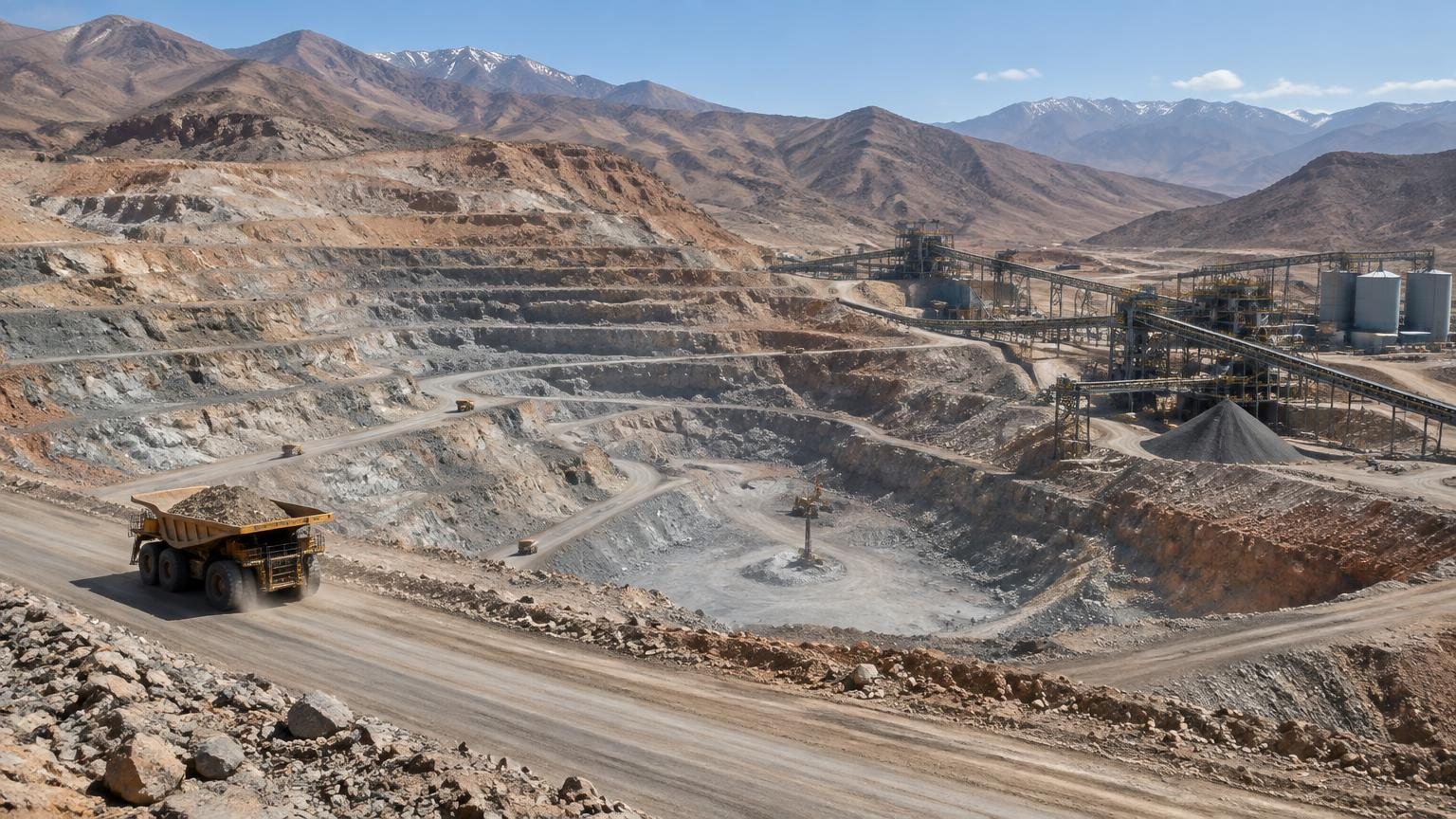
Иран ведет добычу меди, цинка, железной руды и промышленных минералов. Оцените каждую лицензию и месторождение на основе текущих геологических данных, независимо проверенных запасов, доступа к инфраструктуре и экологических обязательств.
Медь, цинк, железная руда и декоративный камень доминируют в производстве. Современные методы геологоразведки, применяемые к исторически закартированным, но недостаточно разбуренным участкам, — вот где кроется асимметрия стоимости.
Концессионная лестница
Права проходят через три этапа: лицензия на геологоразведку на определенном участке, сертификат об открытии после подтверждения ресурса, затем лицензия на эксплуатацию, привязанная к утвержденному плану разработки месторождения. Каждый этап имеет условия по срокам действия и обязательствам по выполнению работ.
Большинство споров, с которыми сталкиваются иностранные инвесторы, возникают из-за унаследованных лицензий с истекшими обязательствами по выполнению работ или неурегулированными пересечениями прав на поверхность, поэтому проверка титула предшествует оценочной работе.
Где сосредоточены возможности
Урмийско-Дохтарский магматический пояс содержит порфировые меднорудные системы; Загрос и Центральный Иран — месторождения цинка, свинца и промышленных минералов. Перерабатывающие мощности, а не руда, являются национальным узким местом — концентрат часто покидает страну нерафинированным.
Поэтому инвестиции в downstream-проекты — обогатительные фабрики, плавильные заводы и продукцию с добавленной стоимостью — на скорректированной с учётом рисков основе выглядят привлекательнее, чем геологоразведка на новых участках.
Практические ограничения
Наличие воды определяет проект в большинстве горнодобывающих районов Ирана, и сухие или замкнутые циклы переработки часто являются лицензионным условием, а не опциональной мерой эффективности.
Электроснабжение, железнодорожный доступ к Бендер-Аббасу и каналы импорта оборудования — ещё три фактора, которые решают, станет ли ресурс рудником.
По отдельным товарным позициям
Медь — флагман: порфировые системы Сарчешме, Сунгун и Мидук формируют национальный поток концентрата, который опережает мощности внутренней плавки. Цинк сосредоточен на месторождениях Мехдиабад и Ангуран — одном из крупнейших в мире кластеров запасов цинка и свинца, где ключевым металлургическим вопросом является смешивание сульфидных и оксидных руд.
Железная руда питает производство сырой стали объёмом около тридцати миллионов тонн в год, поэтому проекты по выпуску окатышей и концентрата имеют гарантированный внутренний сбыт. Хромит, декоративный камень, кварц, полевой шпат и целестин образуют крупный, фрагментированный сегмент промышленных минералов, куда небольшие иностранные операторы могут войти с умеренным капиталом.
Как иностранные инвесторы реально входят
Доминируют три пути. Приобретение доли в иранской компании, владеющей лицензией, — самый быстрый способ, который переносит основную работу на проверку титула. Фарм-ин с обязательством по финансированию геологоразведки подходит компаниям, которые хотят получить доступ к геологии, не покупая унаследованный баланс. Строительство перерабатывающего завода на основе концентрата третьих сторон полностью исключает лицензионный риск и решает национальное узкое место.
Какой бы путь ни был выбран, иранский держатель лицензии должен быть зарегистрированным юридическим лицом, поэтому регистрация компании и, при импорте капитала, лицензия FIPPA оформляются параллельно с горными разрешениями, а не после них.
Отделяйте геологический потенциал от инвестиционного кейса
Подтвердите держателя лицензии, кадастровые границы, разрешённые виды работ и оставшиеся обязательства. Результаты геологоразведки, ресурсы и экономически извлекаемые запасы — это разные категории.
Независимую геологическую экспертизу следует сочетать с испытаниями по извлечению, логистикой, доступом к воде и электроэнергии, роялти и затратами на закрытие. Фиксируйте допущения и неопределённость, а не проецируйте цифру ресурсов напрямую в выручку.