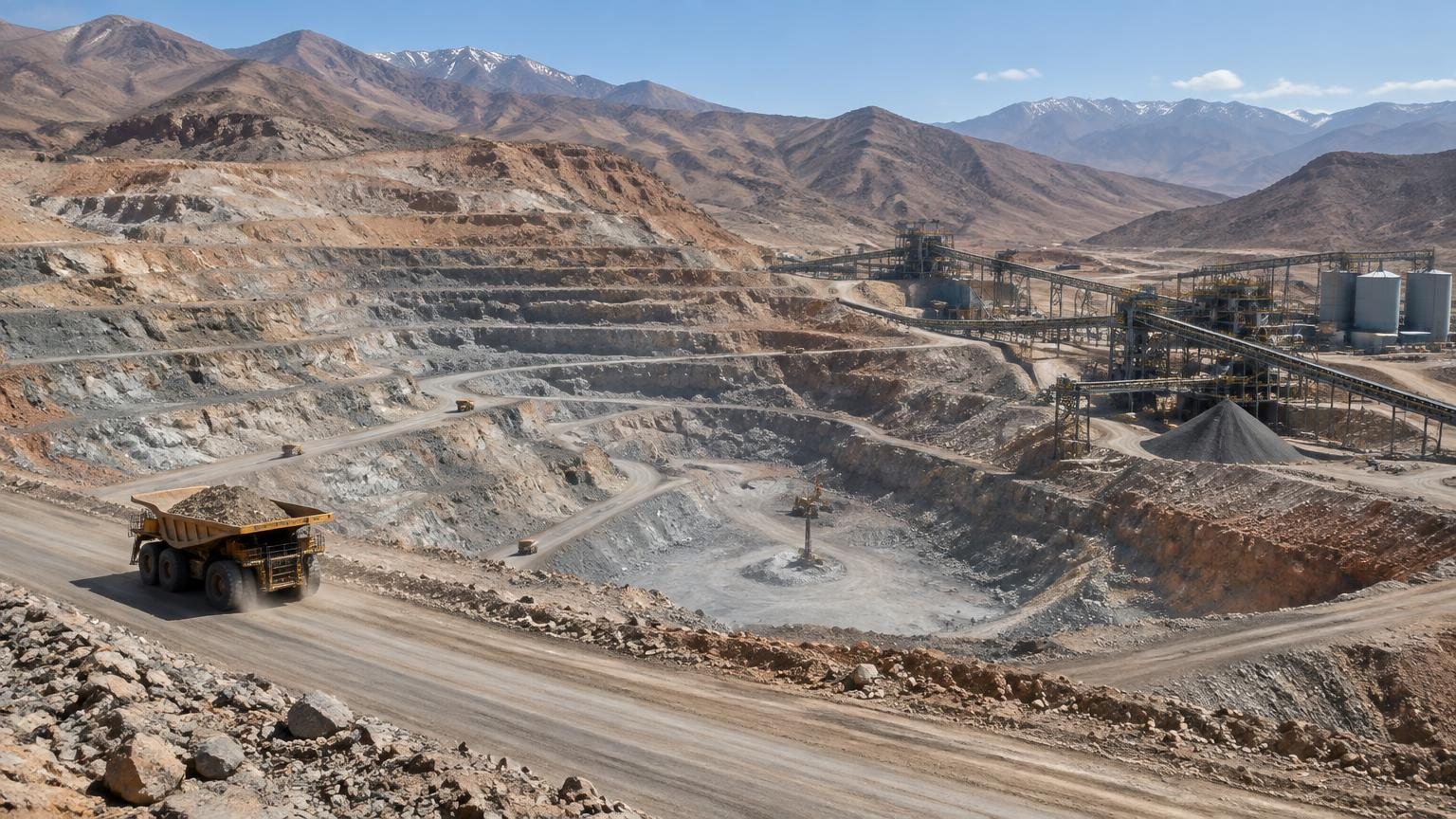
تمتلك إيران نشاطًا تعدينيًا في النحاس والزنك وخام الحديد والمعادن الصناعية. قم بتقييم كل ترخيص ورواسب باستخدام الأدلة الجيولوجية الحالية، والموارد التي تمت مراجعتها بشكل مستقل، والوصول إلى البنية التحتية، والالتزامات البيئية.
يهيمن النحاس والزنك وخام الحديد وأحجار الزينة على الإنتاج. وتكمن قيمة التفاوت في تطبيق تقنيات الاستكشاف الحديثة على أراضٍ خُططت تاريخيًا لكنها لم تُحفر بما يكفي.
سلم الامتيازات
تنتقل الحقوق عبر ثلاث مراحل: رخصة استكشاف على كتلة محددة، وشهادة اكتشاف بمجرد إثبات وجود مورد، ثم رخصة استغلال مرتبطة بخطة منجم معتمدة. ولكل مرحلة شروط انتهاء صلاحية والتزامات عمل.
معظم النزاعات التي يواجهها المستثمرون الأجانب تنبع من تراخيص موروثة ذات التزامات عمل منتهية أو تداخلات غير محلولة في حقوق السطح، لذا فإن فحص السندات يسبق أعمال التقييم.
حيث تتركز الفرصة
يستضيف حزام أورميه-دختر النحاسي البورفيري أنظمة النحاس؛ بينما تستضيف زاغروس ووسط إيران الزنك والرصاص والمعادن الصناعية. طاقة المعالجة، وليس الخام، هي عنق الزجاجة الوطني — إذ يغادر المركزّ البلاد غالبًا دون تكرير.
لذلك فإن الاستثمار في المصب — في وحدات التركيز والمصاهر والمعادن ذات القيمة المضافة — ينافس بشكل إيجابي الاستكشاف الأخضر على أساس معدل المخاطر.
القيود العملية
توافر المياه يحكم تصميم المشروع في معظم مناطق التعدين الإيرانية، وغالبًا ما تكون المعالجة الجافة أو ذات الحلقة المغلقة شرطًا للترخيص وليس خيارًا لتحسين الكفاءة.
إمدادات الطاقة، ووصول السكك الحديدية إلى بندر عباس، وقنوات استيراد المعدات هي العناصر الثلاثة الأخرى التي تحدد ما إذا كان المورد يتحول إلى منجم.
سلعة بسلعة
النحاس هو الرائد: أنظمة سرچشمه وسونگون ومیدوک البورفيرية ترسّخ تيارًا وطنيًا من المركزات يفوق الطاقة المحلية للصهر. يتركز الزنك في مهدي آباد وأنگوران، وهي واحدة من أكبر تجمعات احتياطيات الزنك والرصاص عالميًا، مع كون مزج الكبريتيدات والأكاسيد هو السؤال المعدني الرئيسي.
يغذي خام الحديد صناعة الصلب الخام بنحو ثلاثين مليون طن سنويًا، لذا فإن مشاريع الكريات والمركزات لديها سوق محلي مضمون. يشكل الكروميت وأحجار الزينة والسيليكا والفلسبار والسيليستيت قطاعًا كبيرًا ومجزأً من المعادن الصناعية يمكن للمشغلين الأجانب الصغار الدخول فيه برأسمال متواضع.
كيف يدخل المستثمرون الأجانب فعليًا
تسود ثلاثة مسارات. الاستحواذ على حصة في شركة إيرانية حائزة على ترخيص هو الأسرع وينقل العمل إلى فحص السندات. الدخول في اتفاقية تنقيب بميزانية استكشاف ملزمة يناسب المستكشفين الذين يرغبون في التعرض الجيولوجي دون شراء ميزانية عمومية موروثة. بناء مصنع معالجة يعتمد على مركزات طرف ثالث يتجنب مخاطر الترخيص تمامًا ويعالج عنق الزجاجة الوطني.
أيًا كان المسار المختار، يجب أن يكون الحائز الإيراني كيانًا مسجلًا، لذا فإن تسجيل الشركة، وعند استيراد رأس المال، ترخيص FIPPA يسيران بالتوازي مع موافقات التعدين وليس بعدها.
افصل الإمكانات الجيولوجية عن حالة الاستثمار
تحقق من حائز الترخيص، والحدود المساحية، والأعمال المسموح بها، والالتزامات المتبقية. نتائج الاستكشاف والموارد والاحتياطيات القابلة للاستخراج اقتصاديًا تصنيفات متميزة.
يجب أن تقترن المراجعة الجيولوجية المستقلة باختبارات الاستخلاص، والخدمات اللوجستية، والوصول إلى المياه والطاقة، والإتاوات، وتكاليف الإغلاق. سجل الافتراضات وحالات عدم اليقين بدلًا من إسقاط رقم المورد مباشرة في الإيرادات.