8 Common Mistakes in Investing in Iran's Mining Sector
Analysts often misjudge the scale and complexity of Iran's mining and metals industry. This analysis details common errors, from underestimating non-oil reserves to misreading the concession framework, providing a clearer view for strategic planning.
Iran's mining and metals sector is a significant component of its non-oil economy, encompassing the exploration, extraction, and processing of diverse mineral resources including world-class reserves of copper, iron ore, zinc, and decorative stones.
Mistake 1: Underestimating Reserve Diversity Beyond Oil and Gas
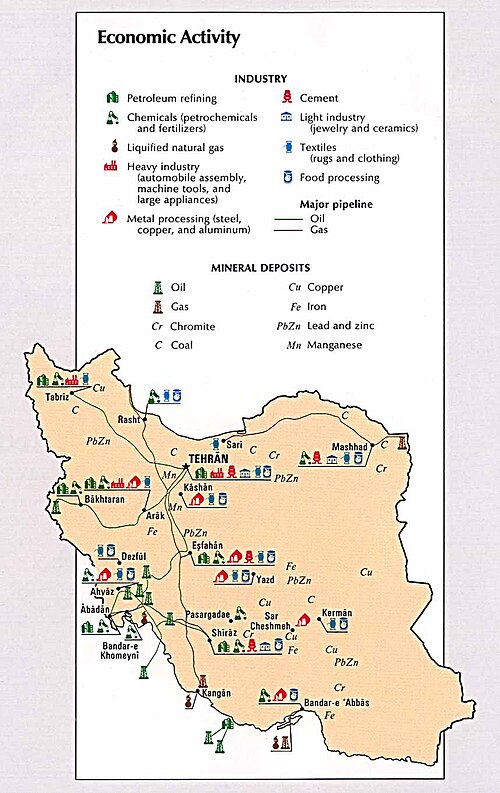
A primary error when investing in Iran's mining sector is focusing excessively on its hydrocarbon profile, thereby underestimating the sheer scale and diversity of its solid mineral wealth. Beyond its status as an energy superpower, Iran hosts an estimated 7% of the world's total mineral reserves. The country's complex geology has endowed it with at least 68 different commercially viable mineral types, many of which are globally significant but often overlooked by observers fixated on oil and gas metrics.
The cost of this narrow focus is missing substantial opportunities in base metals, industrial minerals, and dimension stone. Iran holds approximately 2.6 billion tonnes of copper ore and 2.7 billion tonnes of iron ore reserves, placing it among the top 15 global holders for both. Similarly, its zinc and lead deposits are among the world's largest. Overlooking these segments means ceding ground in markets where Iran has a strong resource-based competitive advantage and established production history.
The corrective measure is to conduct granular, commodity-specific due diligence. Analysis must extend beyond national aggregates to the specific geological belts, such as the Kerman region for copper or the central Iranian deposits around Yazd and Kerman for iron ore. Acknowledging that total identified reserves are estimated between 40 and 55 billion tonnes provides the proper framework for evaluating the sector's vast potential, independent of its energy exports.
Mistake 2: Misinterpreting the Mining Concession Framework
Foreign entities often mistakenly assume a straightforward, centralized process when asking 'How does the mining concession framework in Iran work?'. The reality is a multi-layered system that, while legally defined, involves significant administrative navigation between national and provincial authorities. Believing that a single agreement with a central ministry secures all necessary rights is a frequent and critical misjudgment that can delay projects indefinitely.
The consequence of this misunderstanding is an investment timeline bogged down by unforeseen bureaucratic hurdles. The process is sequential, beginning with an Exploration License, followed by a Discovery Certificate upon verifiable findings, and culminating in an Operating License. Each stage requires specific approvals from the Ministry of Industry, Mine and Trade (MIMT) and its provincial organizations, which have considerable autonomy. Missteps at any stage can lead to disputes or the full revocation of initial rights.
To avoid this pitfall, prospective investors must map the entire regulatory pathway and engage experienced local counsel or partners. It is crucial to understand the distinct roles and authority of the national MIMT versus its 31 provincial branches. Building relationships at the provincial level, where initial licenses are often issued and monitored, is as critical as engaging with policymakers in Tehran. Acknowledging this dual structure is fundamental to securing tenure.
Mistake 3: Overlooking Midstream and Downstream Processing Gaps
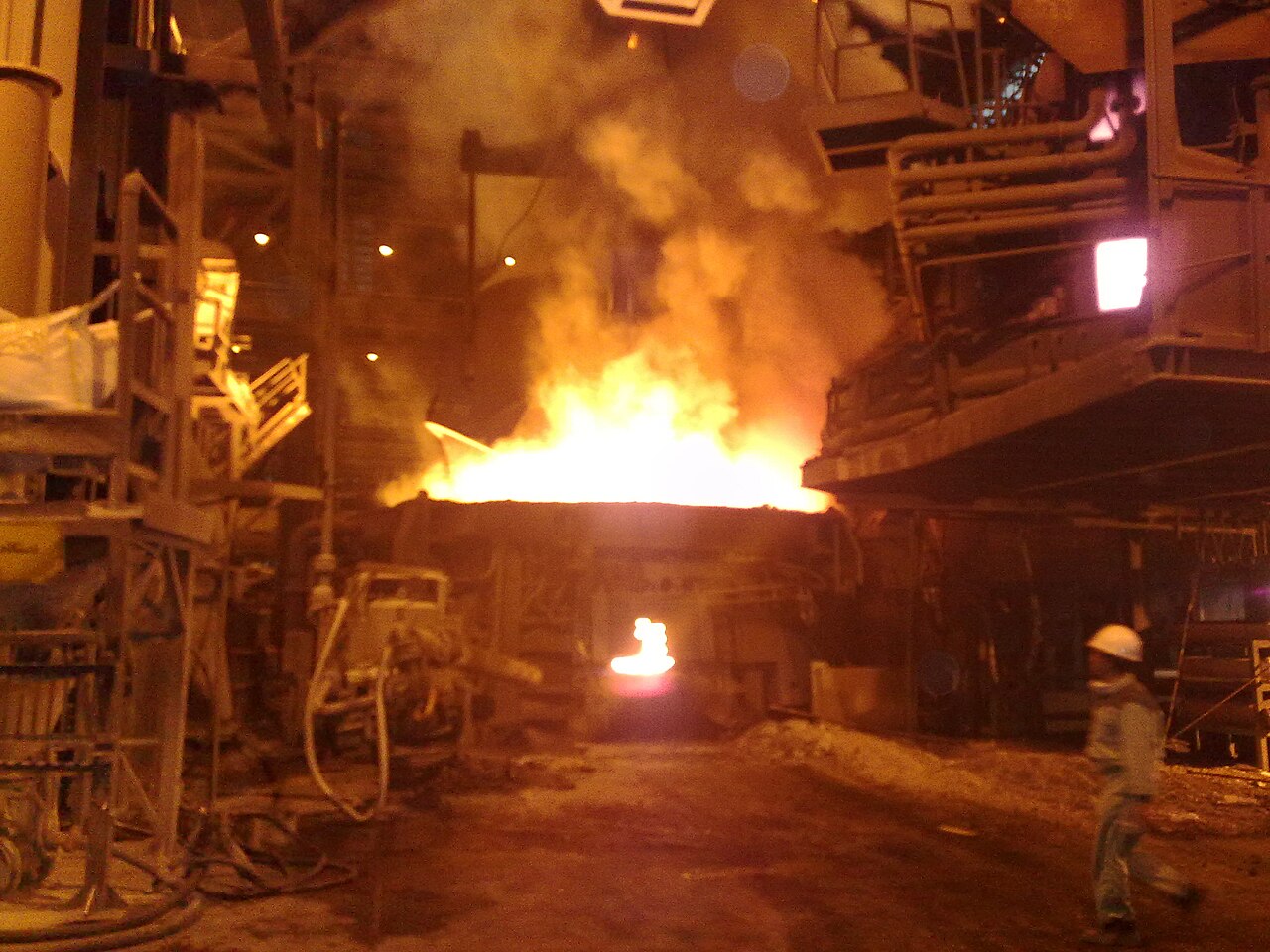
Another common mistake is assuming that large upstream reserves directly translate to readily available, high-quality processed metals. Investors often fail to adequately assess the state of Iran's midstream infrastructure, including smelters, refineries, and finishing mills. While significant capacity exists, there are notable challenges with steel processing infrastructure in Iran and other metal value chains, particularly concerning technology, efficiency, and environmental performance, creating a disconnect between raw material potential and finished product output.
The cost of ignoring these midstream realities is significant. An investment in a mine may become economically unviable if the ore cannot be processed domestically at a competitive cost, forcing reliance on low-margin raw material exports. For steel, while crude capacity now approaches 45 million tonnes per annum (MTPA), limitations in high-grade pelletizing, direct-reduced iron (DRI) technology, and specialized alloy production can still cap the value-add potential for certain iron ore grades.
The solution is to integrate midstream and downstream assessments into any upstream investment case. This involves a technical audit of existing smelters and mills for potential offtake partnerships, evaluating their technological age, energy efficiency, and ability to handle specific ore qualities. For major projects, planning for dedicated or upgraded processing facilities from the outset is a more robust strategy than assuming sufficient third-party capacity will be available.
Mistake 4: Ignoring Critical Water and Power Constraints
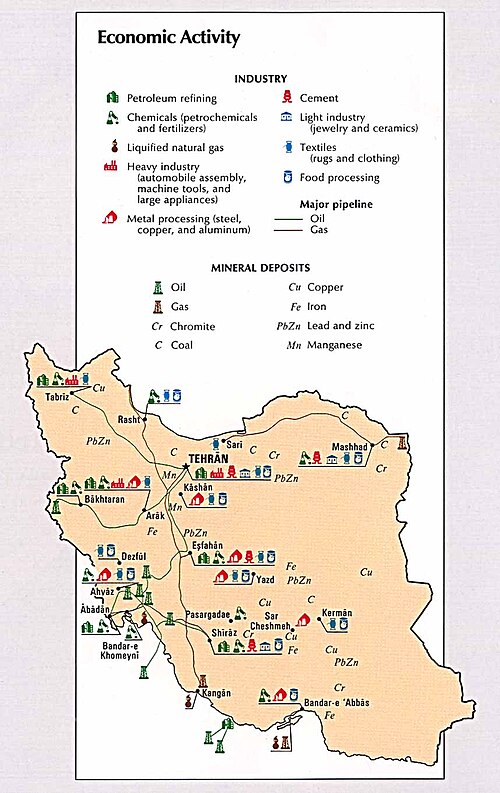
A severe planning error is designing large-scale mining and mineral processing operations without a robust strategy for securing water and power. Many of Iran's most promising mineral deposits are located in its central and eastern provinces, which are among the most arid regions of the country. Assuming that utility access will be cheap, reliable, and plentiful is a fiscally dangerous assumption in this context.
The tangible costs of this oversight include frequent production interruptions, soaring operational expenses, and significant project delays. During hot summer months, industrial power consumption is often curtailed to stabilize the national grid, directly halting energy-intensive operations like smelting. Furthermore, water scarcity can lead to legal challenges and social friction with local agricultural communities, creating reputational and operational risks that can shut down a project entirely.
The fix requires proactive resource management integrated into the project's core design. This includes deploying best-available technologies for water recycling and conservation, such as dry-stack tailings, to minimize consumption per tonne of ore. For energy, securing long-term power purchase agreements, investing in high-efficiency equipment, and exploring captive, on-site power generation—particularly solar PV, given the high irradiance in mining regions—are essential strategies to mitigate grid dependency and price volatility.
Mistake 5: Neglecting End-to-End Export Logistics
Potential investors frequently concentrate on production metrics while failing to thoroughly model the complexities of export logistics for Iranian metals and minerals. A mine's viability is not solely determined by its extraction cost but by the total cost of delivering its product to an international buyer. The journey from an inland mine in a province like Yazd or Kerman to a port like Bandar Abbas involves traversing hundreds of kilometers, a factor often underestimated in preliminary financial models.
Under-planning for logistics directly erodes profitability and competitiveness. High domestic transportation costs, which can represent 15-25% of the Free on Board (FOB) price for bulk minerals, can render an otherwise competitive mine uncompetitive in global markets. Furthermore, bottlenecks in the rail network, road congestion, and lengthy waiting times at port terminals and customs can lead to missed shipping windows and contractual penalties, damaging buyer relationships.
A sound strategy demands a complete logistical chain analysis from the mine gate to the destination port. This involves comparing the costs and capacities of rail versus road transport, assessing the efficiency of key export hubs like the Shahid Rajaee Port Complex at Bandar Abbas, and understanding customs clearance procedures. For large-scale projects, investing in or securing dedicated logistics infrastructure, such as rail spurs or port-side storage facilities, can be a critical long-term advantage.
Mistake 6: Viewing the Sector as a State-Run Monolith
A simplistic view of Iran's economy leads many to assume the mining sector is a monolith controlled by a handful of state-owned enterprises. While large governmental and quasi-governmental entities like the Iranian Mines & Mining Industries Development & Renovation Organization (IMIDRO) are major players, this perspective obscures the diverse and dynamic nature of the industry's ownership structure.
The cost of this misperception is a failure to identify and engage with the most suitable partners. Iran's mining landscape includes large, publicly-listed corporations, powerful semi-private holding companies, and a vibrant ecosystem of thousands of small and medium-sized private mines. These private operations are particularly dominant in the extraction of industrial minerals and decorative stones, accounting for over 65% of the sector's active mines and a significant portion of its employment.
The correct approach is to map the specific ownership landscape for the target commodity and region. Differentiating between the strategic role of IMIDRO as a development organization, the commercial operations of its subsidiaries like National Iranian Steel Company (NISCO) or National Iranian Copper Industries Company (NICICO), and the agility of private sector players is essential. For many projects, a partnership with a well-established private company can offer greater operational flexibility and local expertise.
Mistake 7: Miscalculating Local Partnership and Content Needs
Another mistake is to approach the market with the assumption that a 100% foreign-owned and operated model is easily achievable, especially for strategic assets. While Iran's foreign investment laws permit full foreign ownership in many sectors, the practical and regulatory realities of the mining industry often necessitate deep local partnerships. The question 'Is it possible to secure mining rights in Iran?' is less about legal possibility and more about operational reality.
Attempting to go it alone can result in the rejection of investment proposals, an inability to navigate complex permitting processes, and a failure to manage community and labor relations effectively. Local partners bring invaluable institutional knowledge, established relationships with provincial regulators, and a nuanced understanding of social dynamics. Without this, foreign investors risk being perceived as outsiders, leading to operational friction and a lack of social license to operate.
The solution is to build a partnership strategy from day one. This means identifying reputable local firms with proven track records in the sector and structuring joint ventures with clearly defined roles and responsibilities. These partnerships are not merely a regulatory formality but a strategic necessity for risk mitigation, operational efficiency, and long-term success. The most successful foreign entrants have embraced this collaborative model, leveraging local expertise to complement their own capital and technology.
| Metric | Estimated 2026 Status | Medium-Term Target (e.g., to 2030-2032) |
|---|---|---|
| Crude Steel Capacity | ~42 million tonnes/annum | 60 million tonnes/annum |
| Copper Cathode Production | ~450,000 tonnes/annum | 1 million tonnes/annum |
| Aluminum Production | ~700,000 tonnes/annum | 1.5 million tonnes/annum |
| Pelletizing Capacity | ~65 million tonnes/annum | ~90 million tonnes/annum |
Mistake 8: Underestimating the Iran Copper and Steel Production Capacity Goals
A final strategic error is to view Iran's major metals sectors as being driven primarily by domestic demand. This leads to an underestimation of the country's long-term ambition to become a dominant regional exporter of finished and semi-finished metal products. While past national plans have set aggressive targets, the underlying strategy of export-oriented expansion remains a core driver of policy.
The cost of this miscalculation is a flawed market analysis. For example, while the ambitious 55 MTPA steel capacity target for 2025 was not fully realized, installed capacity has grown significantly to over 40 MTPA. Revised national plans now target further expansion toward 60 MTPA by 2030, reinforcing Iran's position as a top-10 global producer. Similarly, the drive to increase copper cathode output continues, with capacity now exceeding 450,000 tonnes per year and new targets aiming for 1 million tonnes by the early 2030s.
To accurately assess the market, one must analyze these strategic government targets and the massive infrastructure investments they entail. These ambitions are the primary drivers behind investments in new mines, processing plants, and transport links. Understanding that Iran's policy is geared towards maximizing in-country value-addition and export revenue provides a clearer lens through which to evaluate opportunities, whether in providing technology, financing expansion, or forming offtake agreements for the resulting surplus production.
Frequently asked questions
What are Iran's most significant mineral exports?
Iran's primary mineral exports are steel products (billet, slab, rebar), iron ore, and copper cathodes. It is also a major global exporter of dimension stone, such as marble and travertine, along with significant quantities of zinc and lead concentrates. These products form the core of its non-oil export basket.
Who is the main regulatory body for mining in Iran?
The main regulatory body is the Ministry of Industry, Mine and Trade (MIMT). It oversees policy and grants major licenses, but its provincial organizations manage the application and supervision of exploration and smaller-scale mining licenses, making them key day-to-day interlocutors for operators.
Which regions in Iran are richest in minerals?
Kerman Province is the most significant hub, rich in copper, iron ore, and coal. Yazd Province is another major center for iron ore, lead, and zinc. Other key regions include East and West Azerbaijan for copper and gold, and Zanjan Province for lead and zinc deposits.
How developed is Iran's steel industry?
Iran's steel industry is highly developed, ranking among the top 10 global producers. Its capacity is over 40 million tonnes per year, with a national target of 60 million tonnes by 2030. The industry is well-integrated, with significant domestic production of iron ore, pellets, and direct-reduced iron (DRI).
Does Iran have significant lithium reserves?
Iran has officially announced the discovery of a major lithium deposit in Hamedan province, estimated at 8.5 million tonnes of lithium carbonate equivalent. While exploration is in early stages and economic viability is unconfirmed, the scale of the claim suggests a potentially significant new resource.
How does Iran's foreign investment law (FIPPA) apply to mining?
FIPPA provides a legal framework for foreign investors, offering protections like guarantees against expropriation and rights to transfer capital. In mining, it allows for 100% foreign ownership of projects, although in practice, strategic assets often involve joint ventures with local partners. Securing FIPPA approval is a critical step for risk mitigation.
What is being done to address water scarcity in Iran's mining sector?
To combat water shortages, major mining firms are investing heavily in water transfer projects from the Persian Gulf and Caspian Sea. Additionally, new regulations mandate the use of water-efficient technologies, such as dry-stack tailings and water recycling systems, for all new large-scale mining operations, especially in arid central provinces.
What are 'quasi-governmental' entities in Iranian mining?
Quasi-governmental entities, or 'bonyads,' are large, semi-private holding companies with significant influence across Iran's economy, including mining. They operate with more commercial autonomy than state-owned enterprises like IMIDRO's subsidiaries but often have close ties to the state, making them powerful potential partners or competitors.
Key entities in this analysis
- IMIDRO (Iranian Mines & Mining Industries Development & Renovation Organization) GovernmentOrganization
- A major state-owned holding company tasked with developing and overseeing Iran's mining sector, often acting as a partner in large-scale projects.
- Ministry of Industry, Mine and Trade (MIMT) GovernmentOrganization
- The key government ministry responsible for setting policy and regulating all industrial and mining activity in Iran, including the issuance of operating licenses.
- Sarcheshmeh Copper Complex Project
- One of the world's largest open-pit copper mines and vertically integrated processing facilities, located in Kerman Province. It is a flagship asset of the National Iranian Copper Industries Company (NICICO).
- Sungun Copper Mine Project
- A major open-pit copper mine located in East Azerbaijan Province, holding Iran's second-largest concentration of copper reserves after Sarcheshmeh.
- Bandar Abbas Place
- A city on Iran's southern coast housing the Shahid Rajaee Port Complex, the country's largest and most important hub for container and bulk mineral exports.
- Chabahar Port Place
- A strategic deep-water port on Iran's southeastern coast, being developed to bypass the Strait of Hormuz, increase trade, and provide a more efficient export route for minerals from eastern provinces.
- National Iranian Steel Company (NISCO) Organization
- A subsidiary of IMIDRO and a leading steel producer in Iran, operating several major steel mills across the country.
- Kerman Province Place
- Iran's most mineral-rich province, home to the country's largest copper and significant iron ore and coal deposits, making it the heart of the mining industry.
- Hamedan Lithium Project Project
- A potentially globally significant lithium deposit discovered in Hamedan Province. Still in the early exploration and feasibility stages, its development is a strategic priority for Iran's battery metals ambitions.
Related questions
- ›Analysis of Sarcheshmeh copper mine water consumption and efficiency measures
- ›Progress report on the Hamedan lithium deposit development
- ›What is the role of bonyads in Iran's steel industry?
- ›Comparing rail vs. road logistics costs for iron ore from Gol-e-Gohar to Bandar Abbas
- ›Impact of Chabahar Port's expansion on mineral export routes
- ›Case studies of successful foreign joint ventures in Iran's mining sector under FIPPA
- ›Technological upgrade needs for Iran's zinc and lead smelters
Methodology & sources
This analysis is based on data compiled from public statements by the Ministry of Industry, Mine and Trade (MIMT) and the Iranian Mines & Mining Industries Development & Renovation Organization (IMIDRO). Figures and production targets are cross-referenced with reports from international industry associations, multilateral trade databases, and specialized commodity market research firms.