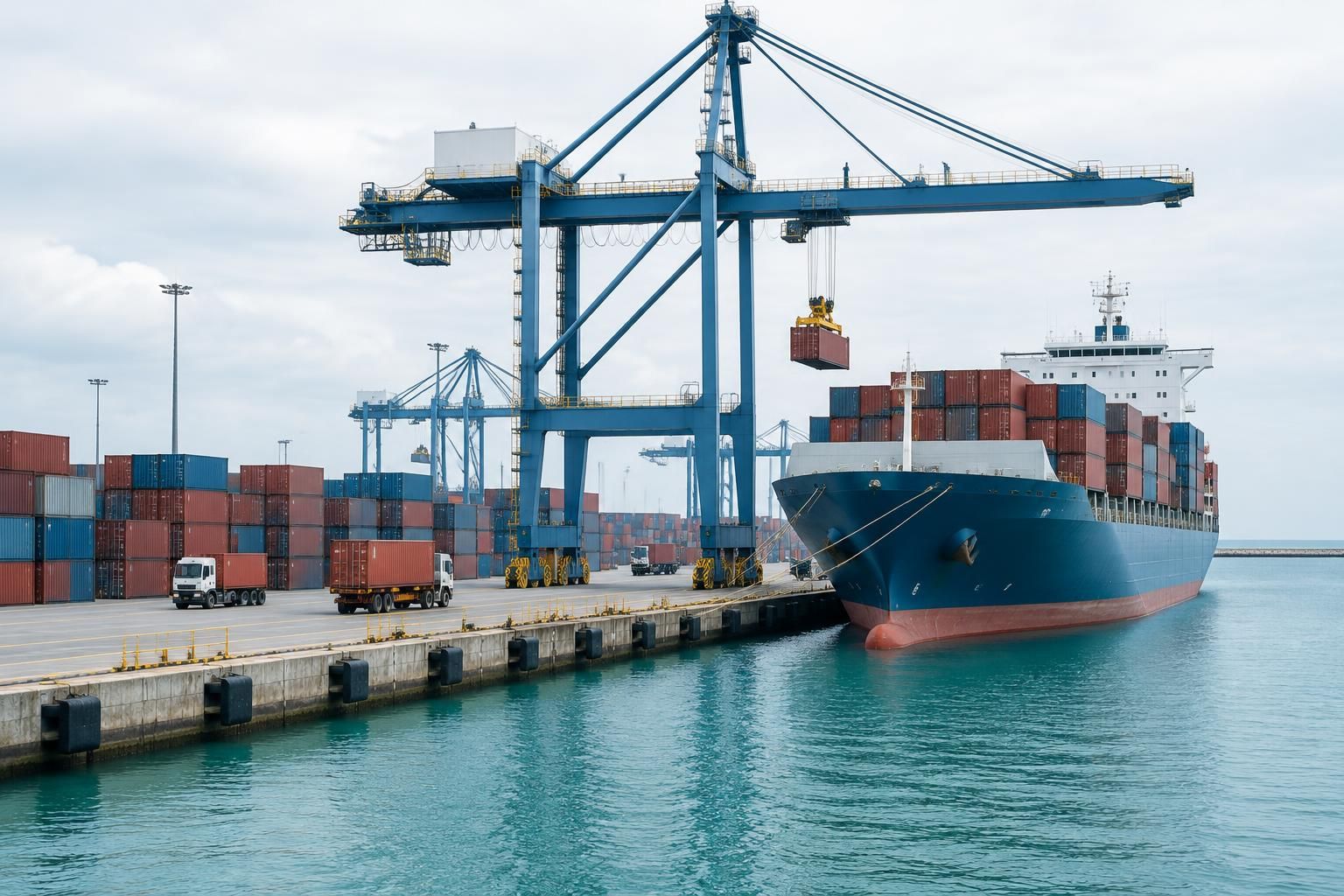
An illustrative import sequence, not a fixed clearance timetable. Product-specific approvals can change the order or add further checks.
- 01
Define the goods and responsible party
Record the product specification, proposed tariff code, origin, end use and importer of record before agreeing a shipment.
Keep the classification rationale and importer credentials.
- 02
Confirm permissions and payment
Check restrictions, order registration, standards requirements and bank acceptance. Do not treat an agent’s assurance as regulatory approval.
Keep applicable approvals and written payment conditions.
- 03
Reconcile the shipment documents
Match quantities, values, descriptions and consignee details across the invoice, packing list and transport documents before dispatch.
Keep a consistent document set and screening record.
- 04
Clear, reconcile and retain
Record customs release, assessed charges, delivery exceptions and any outstanding foreign-exchange obligations after arrival.
Keep the declaration, receipts and delivery evidence.
Who can import and export
Trading in your own name usually requires a commercial card issued through the chamber of commerce system to a registered company or individual. Without one, many businesses use a licensed trading company or clearing agent. Check the current eligibility rules and the activities your company registration allows.
Free trade zones have their own customs regime for goods entering and leaving the zone. Moving zone goods into the mainland is treated as an import and normally triggers the mainland duties and requirements.
Classification, duties and registration
Goods are classified under the Harmonized System. The tariff code determines the import duty and any additional charges, as well as whether the product needs registration, a permit or a standards certificate. Classify before you price a contract, because an error can change both cost and clearance time.
Tariff rates, prohibited or restricted lists and priority categories are revised regularly. Rely on the current customs tariff book and trade-system records, not an older summary.
| Document | Purpose | Common issue |
|---|---|---|
| Commercial invoice and packing list | Value, quantity and description | Description too vague for classification |
| Bill of lading or air waybill | Evidence of shipment and title | Consignee details not matching the importer |
| Certificate of origin | Origin and any preferential duty | Missing or issued by the wrong body |
| Order registration in the trade system | Authorises the import and currency allocation | Registered after shipment or with different values |
| Standards or health certificate | Product conformity and safety | Testing not completed before arrival |
Currency and payment
Import orders and export proceeds are linked to foreign-exchange rules. Importers may need to register the order before shipment to access an allocated payment channel, and exporters can be required to return proceeds within set periods. These rules change frequently, so confirm them for each transaction.
International banking access is limited. Agree the payment route with your bank and counterparty before contracting and keep evidence that each payment is lawful in every jurisdiction involved.
Sanctions and export controls
Domestic customs clearance does not establish compliance with foreign sanctions or export controls. Screen the goods, the end user, carriers, insurers and banks against the rules that apply to your company and its owners. Some goods are permitted under humanitarian or general licences only with specific conditions.
Keep a record of screening results and licences for each shipment. Re-screen when a counterparty, route or product specification changes.
Before your first shipment
- Confirm who will act as importer or exporter of record
- Classify the goods and check duties, permits and standards requirements
- Register the order where required before the goods ship
- Agree a lawful payment route with your bank and counterparty
- Screen goods, parties and logistics providers for sanctions and export controls
- — Trading usually requires a commercial card or a licensed intermediary.
- — Correct tariff classification drives duty, permits and clearance time.
- — Currency and order registration rules change often; check them for each deal.
- — Customs clearance in Iran does not replace foreign sanctions and export control checks.