A Framework for Digital Health in Iran
Iran's digital health sector is experiencing rapid platform growth, yet faces significant hurdles in insurance integration and providing equitable rural access. This framework provides a structured approach for analyzing the ecosystem's key components: platforms, infrastructure, regulation, and user adoption.
Digital health in Iran refers to the use of information and communication technologies, including telemedicine platforms, mobile health apps, and electronic health records, to support healthcare delivery, public health surveillance, and patient wellness across the country.
The Challenge: Unifying a Fragmented Digital Health Ecosystem
The landscape of digital health in Iran has been characterized by rapid platform innovation juxtaposed with significant structural challenges in insurance integration and equitable rural access. While homegrown technology has produced a vibrant market of telemedicine and health-tech applications, their overall impact remains constrained by infrastructural disparities, evolving regulations, and uneven patient adoption. This fragmentation creates inefficiencies and limits the potential of technology to address systemic healthcare access issues, particularly for the country's nearly 21 million rural inhabitants.
To understand and navigate this complex environment, a systematic approach is required. This article introduces the Digital Health Integration Framework, a four-part model designed to deconstruct the ecosystem into its core layers. The framework allows investors, policymakers, and healthcare administrators to assess the maturity and viability of the sector by examining each component individually and as part of an interconnected system.
The four pillars of this framework are: the Platform & Service Layer, the Infrastructure & Access Layer, the Regulatory & Reimbursement Layer, and the User Adoption & Trust Layer. By analyzing the strengths and weaknesses within each, stakeholders can identify key bottlenecks and opportunities for growth. The ultimate goal is to move from a collection of disparate services to a cohesive, integrated, and nationally effective digital health system.
This analysis provides a comprehensive overview of the current state of digital health in Iran through the lens of this framework. It explores the leading players, quantifies the infrastructural realities, demystifies the regulatory and insurance landscape, and considers the critical human factors that will determine the long-term success of remote healthcare delivery in the country. This model serves as a vital tool for strategic decision-making in one of the Middle East's most promising yet challenging digital health markets.
Component 1: What Is the Telemedicine Platform Landscape in Iran?
The platform and service layer of digital health in Iran is dynamic and highly competitive, dominated by domestic startups that have adeptly tailored their offerings to local needs. The telemedicine platform landscape in Iran has evolved from simple online appointment booking to comprehensive virtual care. Leading players have emerged, creating a concentrated market where brand recognition and network effects are increasingly important. These platforms typically offer a mix of video consultations, text-based chats with specialists, e-prescriptions, and laboratory test booking.
Among the most prominent are services like Dr. Saina, Paziresh24, and the formidable Snapp! Doctor, which leverages the massive user base of the Snapp! super-app. These platforms have attracted millions of users by offering convenient access to a wide range of general practitioners and specialists, often at competitive price points compared to in-person visits. Their business models vary, from per-consultation fees to subscription packages for individuals and corporate clients.
The competitive dynamic is shifting as larger, well-capitalized tech conglomerates enter the health space. Snapp!'s entry, for example, signaled a move towards ecosystem integration, where health services are bundled with ride-hailing, food delivery, and financial services. This trend pressures smaller, standalone health-tech startups to either specialize in niche areas (like mental health or specific chronic diseases) or seek partnerships to remain competitive.
Innovation within this layer is focused on improving the user experience and expanding service lines. Features like AI-powered symptom checkers, integration with wearable devices for remote patient monitoring, and specialized platforms for fields like psychology and nutrition are now common features. The key challenge for these platforms is scaling their physician networks while maintaining quality control and ensuring a consistent user experience across different medical specialties.
Component 2: Infrastructure as the Foundation for Rural Reach
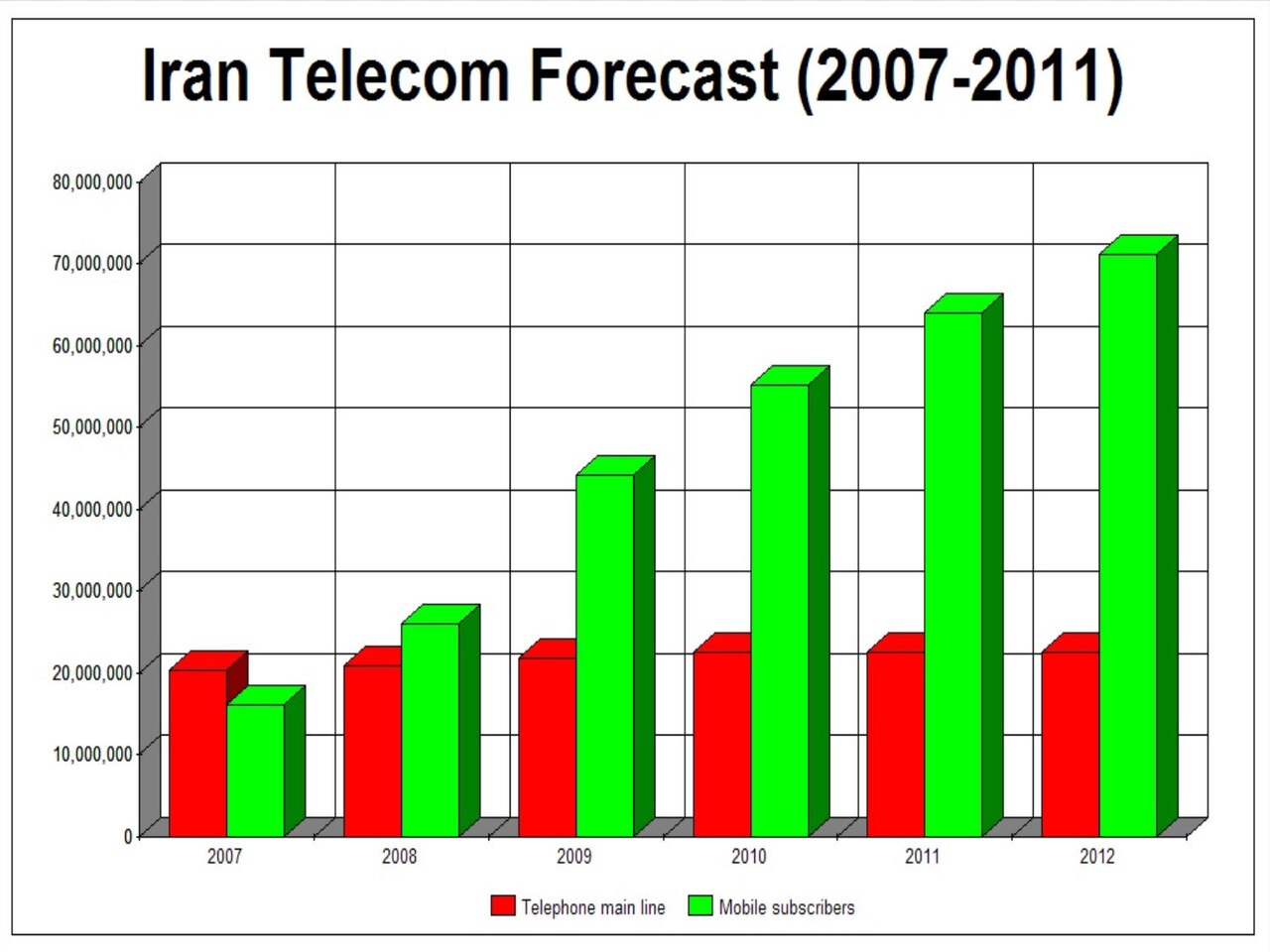
The effectiveness of any digital health platform is fundamentally dependent on the underlying infrastructure, a key factor when considering the challenges of rural healthcare access in Iran. The country boasts high aggregate connectivity statistics, with mobile penetration exceeding 160% and an estimated 95% of individuals using the internet. This provides a strong baseline for mobile-first digital health solutions. However, these national averages mask significant disparities between urban and rural areas.
Major urban centers like Tehran, Isfahan, and Shiraz benefit from relatively stable and high-speed fiber optic and 4G/LTE connectivity, enabling seamless high-definition video consultations. In contrast, many rural and less-developed provinces, such as Sistan and Baluchestan or Kurdistan, grapple with lower bandwidth, less reliable connections, and limited 4G coverage. This digital divide forces platforms to design for low-bandwidth environments, often prioritizing asynchronous text-based consultations over data-intensive video calls for rural users.
Government projects initiated in the early 2020s have continued to expand rural internet infrastructure, recognizing its importance for economic development and public services. The success of these initiatives is crucial for unlocking the full potential of telemedicine to bridge the urban-rural gap in healthcare access. Until connectivity is ubiquitous and reliable, digital health will remain a predominantly urban convenience rather than a transformative national solution.
Beyond internet access, the infrastructure layer also includes the penetration of smartphones capable of running modern health applications. While smartphone ownership is widespread, device affordability and digital literacy vary. Effective digital health strategies must account for users with older devices or limited technical skills, emphasizing simple, intuitive user interfaces and offering support through non-digital channels where necessary.
Component 3: How Does Health Insurance Cover Telehealth in Iran?
The regulatory and reimbursement layer is arguably the most critical and complex component governing the scalability of digital health in Iran. For years, the lack of a clear regulatory framework and, crucially, a formal reimbursement pathway, relegated telemedicine to the private-pay market. The COVID-19 pandemic was a major catalyst, compelling regulators and insurers to accelerate policy development.
The Ministry of Health and Medical Education now officially recognizes and regulates telemedicine, having established guidelines for platforms, including licensing requirements and data privacy standards under the national e-health project (SEPAS). This has brought much-needed legitimacy to the sector. However, the more impactful development has been the integration of telehealth services into the country's major insurance schemes. Answering 'how does health insurance cover telehealth in Iran' is now possible with concrete details.
Major public insurers, including the Social Security Organization (Tamin Ejtemaei) and the Iran Health Insurance Organization (IHIO), now provide standardized coverage for virtual consultations. They have defined specific reimbursement codes, similar to CPT codes in other systems, for different types of e-visits. This move was a game-changer, fundamentally altering the market by allowing millions of insured Iranians to access digital health services with minimal out-of-pocket costs.
Despite this progress, challenges remain. While reimbursement rates for virtual visits are still often set lower than for their in-person equivalents, which can disincentivize some physicians, the model is now firmly established. Furthermore, the range of covered services continues to expand, though advanced applications like continuous remote monitoring are not yet universally included in benefits packages. The future growth of the sector hinges on the continued expansion of this reimbursement framework to include more sophisticated digital health interventions.
Component 4: The Human Factor - User Adoption and Trust
Technology, infrastructure, and regulation are necessary but not sufficient for a thriving digital health ecosystem. The final and perhaps most important layer is user adoption and trust, encompassing both patients and healthcare providers. For patients, the shift from traditional, in-person care to virtual consultations requires overcoming long-held cultural habits and building trust in the digital medium. Concerns about data privacy, diagnostic accuracy, and the impersonality of a virtual interaction are common hurdles.
Platforms have sought to build this trust through transparent physician credentialing, user reviews, secure data handling protocols, and public education campaigns. The convenience factor—avoiding traffic, travel time, and crowded waiting rooms—has been a powerful driver of adoption, particularly for routine follow-ups, prescription refills, and non-emergency consultations. The pandemic normalized remote interactions, significantly lowering the psychological barrier for many first-time users.
Physician adoption is equally critical. While younger, tech-savvy doctors were early adopters, many established practitioners have grown to accept the modality, though some remain hesitant, citing concerns about liability and workflow disruption. Training physicians in 'webside manner,' integrating telemedicine platforms with existing electronic medical record systems, and ensuring fair compensation are key strategies for encouraging broader provider participation.
Ultimately, sustained adoption depends on demonstrating clear value. For patients, this means convenient, affordable, and high-quality care. For physicians, it means an efficient workflow, a new source of income, and the ability to care for patients more effectively. For the healthcare system as a whole, it means improved access, better management of chronic diseases, and greater overall efficiency, all of which contribute to building long-term trust in digital health solutions.
Comparative Analysis: Leading Iranian Digital Health Platforms
To illustrate the dynamics of the platform layer, a direct comparison of the leading market players is instructive. Each has carved out a distinct position based on its service model, integration strategy, and target audience. While they share the common goal of delivering virtual care, their approaches and strategic advantages differ significantly, reflecting the diverse opportunities within the Iranian market. The following table provides a snapshot of these key differences, offering a clear view of the competitive landscape as of late 2026.
Market Growth: Estimated Telemedicine Consultation Volume
The growth trajectory of digital health in Iran is best illustrated by the sharp increase in telemedicine consultation volumes, particularly following the regulatory and behavioral shifts prompted by the 2020 pandemic. Before this period, telemedicine was a niche service. The combination of public health imperatives, new regulations, and insurance support created an inflection point, leading to exponential growth, which has since transitioned into a phase of steady, mature expansion. The chart below visualizes this trend based on aggregated market estimates.
Applying the Framework: Chronic Disease Management in Yazd
To demonstrate the practical application of the Digital Health Integration Framework, consider the case of a 55-year-old patient with type 2 diabetes living in a rural area of Yazd province. Using the framework, we can analyze how digital health can improve their care.
First, the **Platform Layer**: The patient uses Snapp! Doctor on their smartphone to schedule a monthly follow-up with an endocrinologist based in Tehran. The platform's user-friendly interface allows them to easily share their blood glucose readings from a digital logbook and have a video consultation, saving them a full day of travel.
Second, the **Infrastructure Layer**: This interaction is possible because of the government's investment in extending 4G coverage to their village. While the connection may not be perfect, it is sufficient for a stable 15-minute video call. The widespread availability of affordable smartphones ensures the patient has the necessary hardware.
Third, the **Regulatory & Reimbursement Layer**: Crucially, the consultation is covered by the patient's Tamin Ejtemaei insurance. The e-visit is billed using a recognized code, and the patient pays only a small, subsidized co-payment. The specialist then issues an e-prescription, which is sent directly to the patient's local pharmacy's system, another element of the national SEPAS project.
Finally, the **User Adoption & Trust Layer**: The patient, initially skeptical, has grown to trust the remote consultations after several positive experiences. The specialist has a good 'webside manner,' and the patient feels their concerns are heard. This successful case illustrates how all four layers must function in concert to deliver meaningful value and improve health outcomes, particularly for managing the future of remote patient monitoring in Iran for chronic conditions.
| Platform | Service Model | Insurance Integration | Key Differentiator |
|---|---|---|---|
| Snapp! Doctor | Pay-per-consultation; Integrated within a 'super-app' ecosystem. | Advanced, direct integration with major insurers like Tamin Ejtemaei and IHIO for streamlined billing. | Massive user base from the Snapp! ecosystem; convenience of bundled services; market leader. |
| Dr. Saina | Pay-per-consultation and subscription models for individuals and corporations. | Standardized integration with major insurers, though coverage breadth may vary from top-tier platforms. | Pioneer status with strong brand recognition; deep focus on mental health as a specialty. |
| Paziresh24 | Primarily an appointment booking platform, with expanding teleconsultation features. | Insurance integration is dependent on the individual providers and clinics listed on the platform. | Largest network of bookable doctors and clinics; strong focus on the initial discovery and booking process. |
Outlook: The Current Frontier of Remote Patient Monitoring in Iran
Looking forward, the trajectory of digital health in Iran continues to point towards greater sophistication and deeper integration into the standard of care. The initial wave, focused on transactional teleconsultations, has given way to more advanced applications. The integration of remote patient monitoring (RPM) in Iran represents the current growth frontier, with significant potential to transform the management of chronic diseases like hypertension, diabetes, and cardiovascular conditions.
This phase is being driven by the increasing adoption of connected devices, including smartwatches, blood pressure cuffs, and continuous glucose monitors (CGMs). As these devices become more affordable and accessible, they generate a wealth of real-time patient data. The challenge and opportunity for digital health platforms is to build the software infrastructure to ingest, analyze, and present this data to clinicians in an actionable format.
Artificial intelligence and machine learning are playing a pivotal role in this evolution. AI algorithms can help identify patients at risk of an adverse event, predict disease progression, and personalize treatment plans based on continuous data streams. This shifts the paradigm from reactive, appointment-based care to a proactive and preventative model, which can lead to better health outcomes and lower long-term costs for the healthcare system.
Realizing this future will require overcoming the same systemic challenges outlined by the framework. Infrastructure must support constant data streaming, regulations will need to adapt to cover data-driven interventions and AI-based diagnostics, and insurers must develop reimbursement models for continuous monitoring services. Most importantly, both patients and providers must trust these automated systems to support, not replace, the essential human element of healthcare.
Frequently asked questions
Is telemedicine legal in Iran?
Yes, telemedicine is legal and regulated in Iran. The Ministry of Health and Medical Education has established official guidelines and licensing requirements for digital health platforms, bringing formal structure to the sector, especially after the COVID-19 pandemic accelerated its adoption.
Which Iranian insurance companies cover online doctor visits?
Major public insurers now cover online doctor visits. The Social Security Organization (Tamin Ejtemaei) and Iran Health Insurance Organization (IHIO) have established reimbursement for specific types of e-consultations, making them significantly more affordable for millions of Iranians.
Can I get a prescription from an online doctor in Iran?
Yes, you can receive electronic prescriptions from online doctors for many conditions. As part of the national e-health infrastructure (SEPAS), physicians can issue e-prescriptions that are sent directly to a national database, allowing patients to fill them at their local pharmacy.
What are the biggest challenges for digital health in Iran?
The primary challenges are inconsistent internet quality and speed, especially in rural provinces, which limits access to video consultations. Other hurdles include ensuring patient data privacy and security, standardizing reimbursement rates, and encouraging broader adoption among less tech-savvy patients and physicians.
Are foreign digital health companies active in Iran?
Direct operation by foreign companies is extremely rare. International sanctions, combined with a complex regulatory environment and a competitive domestic market, mean that the digital health landscape in Iran is almost entirely composed of homegrown startups and technology firms.
How much does a telemedicine visit cost in Iran?
The cost varies. For patients paying out-of-pocket, a consultation can range from approximately $2 to $10 USD equivalent, depending on the specialist's fee. For those with insurance from Tamin Ejtemaei or IHIO, the visit may be fully covered or require only a small co-payment.
How is patient data protected on Iranian telemedicine apps?
Patient data is protected under guidelines from the Ministry of Health, which requires platforms to use secure servers and encryption. The national e-health project (SEPAS) also provides a framework for secure data exchange, though implementation and user trust continue to be key areas of focus.
Is artificial intelligence (AI) used in Iranian digital health?
Yes, AI is increasingly being used in Iranian digital health. Platforms are deploying AI for preliminary symptom checking, optimizing physician schedules, and analyzing data from remote monitoring devices. However, its use in core diagnostics is still in the early stages of adoption and regulation.
Key entities in this analysis
- Dr. Saina Product
- A pioneering Iranian telemedicine platform known for its early entry into the market and strong focus on mental health services alongside general medical consultations.
- Snapp! Doctor Product
- A major digital health service integrated within the Snapp! super-app, leveraging a massive existing user base for rapid growth and market leadership in the telemedicine sector.
- Ministry of Health and Medical Education GovernmentOrganization
- The primary government body in Iran responsible for regulating all aspects of the healthcare system, including setting standards and licenses for digital health and telemedicine platforms.
- Tamin Ejtemaei (Social Security Organization) GovernmentOrganization
- Iran's largest social security fund and health insurer, covering millions of workers and their families. Its established reimbursement for telemedicine is a key market driver.
- Iran Health Insurance Organization (IHIO) GovernmentOrganization
- A major state-run health insurer primarily covering government employees and rural populations, which now provides standardized coverage for virtual medical consultations.
- Paziresh24 Product
- A leading Iranian online health platform that started with physician appointment booking and has expanded to include teleconsultation and other digital health services.
- SEPAS Project
- Iran's national electronic health project, which provides the core infrastructure for electronic health records, e-prescriptions, and health data exchange. By 2026, its adoption is widespread in urban centers.
- Iran National Innovation Fund GovernmentOrganization
- A key state-backed fund providing venture capital and financial support to knowledge-based companies, including many startups in the health-tech and telemedicine sectors.
Related questions
- ›What is the market share of Snapp! Doctor versus other platforms in 2026?
- ›Investment and M&A trends in Iran's health-tech sector
- ›How has SEPAS improved healthcare data interoperability?
- ›Regulatory roadmap for digital therapeutics (DTx) in Iran
- ›The impact of AI on chronic disease management in Iran
- ›Challenges and opportunities for Femtech and Gerontech in Iran
- ›Comparing reimbursement models for telehealth in Iran vs. Turkey
Methodology & sources
This analysis is based on information from reports by Iran's Ministry of Health and Medical Education, publications from the Tehran Chamber of Commerce, data from Iranian technology industry associations, and market intelligence from regional investment analysts. Specific figures are estimates based on these composite sources and are intended for illustrative purposes.