R&D Commercialization in Iran: From Lab to Market
Iran's push for R&D commercialization is built upon a formidable STEM talent pipeline and expanding government support for university spin-outs. This creates a complex but opportunity-rich landscape for tech transfer, particularly in sectors like ICT, biotechnology, and nanotechnology.
R&D commercialization in Iran is the process of translating scientific and technological research, primarily from universities and research institutes, into viable commercial products, services, or spin-out companies within the country's economic framework.
The State of R&D Commercialization in Iran
The landscape for R&D commercialization in Iran is characterized by a foundational paradox: a highly educated, tech-savvy youth population and a top-down state drive for a knowledge-based economy constrained by significant structural and geopolitical headwinds. This dynamic has fostered a resilient, domestically-focused innovation ecosystem where university research is increasingly seen as a primary engine for economic growth, moving beyond traditional reliance on natural resources.
At its core, the strategy aims to convert the nation's immense human capital—particularly its hundreds of thousands of annual STEM graduates—into tangible economic output. The government has established a formal framework, including legal and financial incentives, to encourage professors, students, and researchers to form spin-out companies. This push has resulted in the registration of over 9,000 'knowledge-based companies' to date, a figure that continues to grow by an estimated 15-20% annually.
However, the path from laboratory to market is fraught with challenges. Access to international capital, markets, and technology is severely restricted. Furthermore, domestic issues such as inflation, regulatory inconsistencies, and a weak intellectual property (IP) protection regime create a high-risk environment. Success often depends on navigating these complexities, leveraging local networks, and focusing on the large, underserved domestic market of over 85 million people.
For investors and observers, understanding this ecosystem requires a nuanced perspective. The opportunities are not in broad-stroke market entry but in identifying specific, high-potential niches where Iranian innovation has a competitive edge. These are typically in sectors where digital solutions can leapfrog legacy infrastructure or where deep scientific expertise can be applied to solve pressing domestic problems in health, energy, and agriculture.
How Deep is Iran's STEM Talent Pipeline?
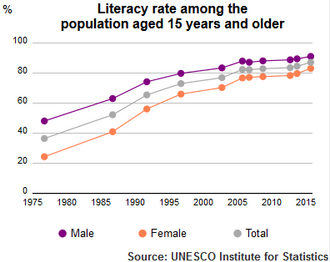
Iran's single greatest asset in its quest for a knowledge-based economy is its human capital. The country consistently ranks among the top global producers of engineering and science graduates. Annually, Iranian universities produce an estimated 200,000 to 250,000 graduates in Science, Technology, Engineering, and Mathematics (STEM) fields. This creates a large, technically proficient, and relatively low-cost talent pool for startups and R&D-intensive industries.
Elite institutions form the vanguard of this pipeline. Universities such as Sharif University of Technology, University of Tehran, Amirkabir University of Technology (Tehran Polytechnic), and Isfahan University of Technology are renowned for their rigorous engineering and science programs. These universities serve as the primary crucibles for innovation, with many of the country's most successful tech companies tracing their origins back to projects or teams formed on these campuses.
The quality of this talent is globally recognized, though this is a double-edged sword. While graduates from top universities are highly sought after by domestic firms, they are also prime candidates for 'brain drain.' Estimates suggest that tens of thousands of skilled graduates and professionals leave Iran annually in search of better economic opportunities and research environments abroad. This represents a significant leakage of potential from the domestic innovation ecosystem.
Despite the brain drain, the sheer volume of graduates ensures a continuous supply of talent. This surplus has fueled the growth of the digital economy, with thousands of developers, data scientists, and engineers powering everything from e-commerce giants to niche B2B software firms. The challenge for the R&D commercialization framework is to create compelling enough opportunities to retain and effectively utilize this top-tier talent within Iran.
Government Architecture for a Knowledge-Based Economy
The Iranian government has constructed a formal support system to catalyze the transition from a resource-based to a knowledge-based economy. The central coordinating body for this effort is the Vice-Presidency for Science, Technology and Knowledge-Based Economy. This institution is responsible for policy development, funding allocation, and the overall promotion of technology and innovation across the country.
A cornerstone of this architecture is the 'Law for the Protection of Knowledge-Based Companies and Commercialization of Innovations and Inventions,' passed in 2010. This legislation provides a legal definition for 'knowledge-based companies' and grants them a suite of significant incentives. These benefits include tax exemptions for up to 15 years, preferential treatment in government procurement, and simplified customs procedures for the import of essential R&D equipment.
To qualify for this status, a company must pass a rigorous evaluation process that assesses the technical complexity and innovative nature of its products or services. The classification is tiered, with firms demonstrating higher levels of technology and R&D intensity receiving greater benefits. This system aims to direct resources toward ventures with the highest potential for creating genuine, defensible intellectual property and competitive advantage.
Financial support is channeled primarily through the Innovation and Prosperity Fund. This state-backed fund, with a reported capital in the billions of dollars, provides low-interest loans, venture capital co-investment, and guarantees to knowledge-based companies. While a critical source of non-dilutive and early-stage funding, its processes can be bureaucratic and slow, pushing many startups to seek alternative, albeit scarcer, private funding sources.
From Lab to Startup: University Spin-Outs and TTOs
The primary mechanism for R&D commercialization in Iran is the university spin-out. This model involves faculty members, researchers, or students leveraging university-developed IP or know-how to create an independent commercial entity. Most major universities have established Technology Transfer Offices (TTOs) and incubation centers to facilitate this process, though their effectiveness varies widely.
TTOs are tasked with identifying commercially viable research, assisting with patent filings (primarily domestic), and negotiating licensing agreements or equity stakes for the university. However, many TTOs are understaffed and operate with limited commercial expertise. As a result, the most successful spin-outs are often driven by entrepreneurial professors and students who proactively navigate the system, rather than being passively guided by it.
Science and Technology Parks (STPs) play a crucial complementary role. These parks, often located adjacent to major universities, provide subsidized office space, shared facilities, and a collaborative environment for nascent tech companies. Pardis Technology Park, located east of Tehran, is the country's largest and most prominent example, hosting hundreds of tech firms ranging from startups to established players in biotech, ICT, and advanced materials. These parks act as physical hubs for the innovation ecosystem.
The relationship between the university and the spin-out is often informal. While formal equity agreements exist, many ventures begin as side projects with tacit university approval. The goal is to get a product to a minimum viable state before formalizing the corporate structure. This 'bottom-up' approach, while sometimes legally ambiguous, provides the flexibility needed to experiment and iterate quickly in a resource-constrained environment.
Which Sectors Show the Most Commercial Promise?
Several key sectors stand out for their high potential in R&D commercialization, driven by a combination of strong academic research, pressing domestic demand, and a degree of insulation from international competition. The Information and Communication Technology (ICT) sector is the most developed. With high internet penetration and a large, young population, Iran has developed a vibrant digital economy, including major players in e-commerce, ride-hailing, and fintech that mirror global models.
Biotechnology and pharmaceuticals represent another area of significant strength. Leveraging a long history of medical and pharmaceutical research, Iranian firms are developing biosimilars, generic drugs, diagnostic kits, and medical equipment. The heavy sanctions on this sector, while creating immense hardship, have also inadvertently acted as an incubator, forcing domestic production and innovation to meet local healthcare needs. University labs are a key source of R&D for these companies.
Nanotechnology is a field where Iran has made a concerted, top-down push for over a decade, resulting in a high volume of academic publications and a growing number of commercial products. The Iran Nanotechnology Innovation Council has fostered the development of applications in areas such as advanced coatings, water filtration systems, targeted drug delivery, and enhanced catalysts. Over 200 companies are now active in this space, exporting a small but growing volume of nano-enabled products.
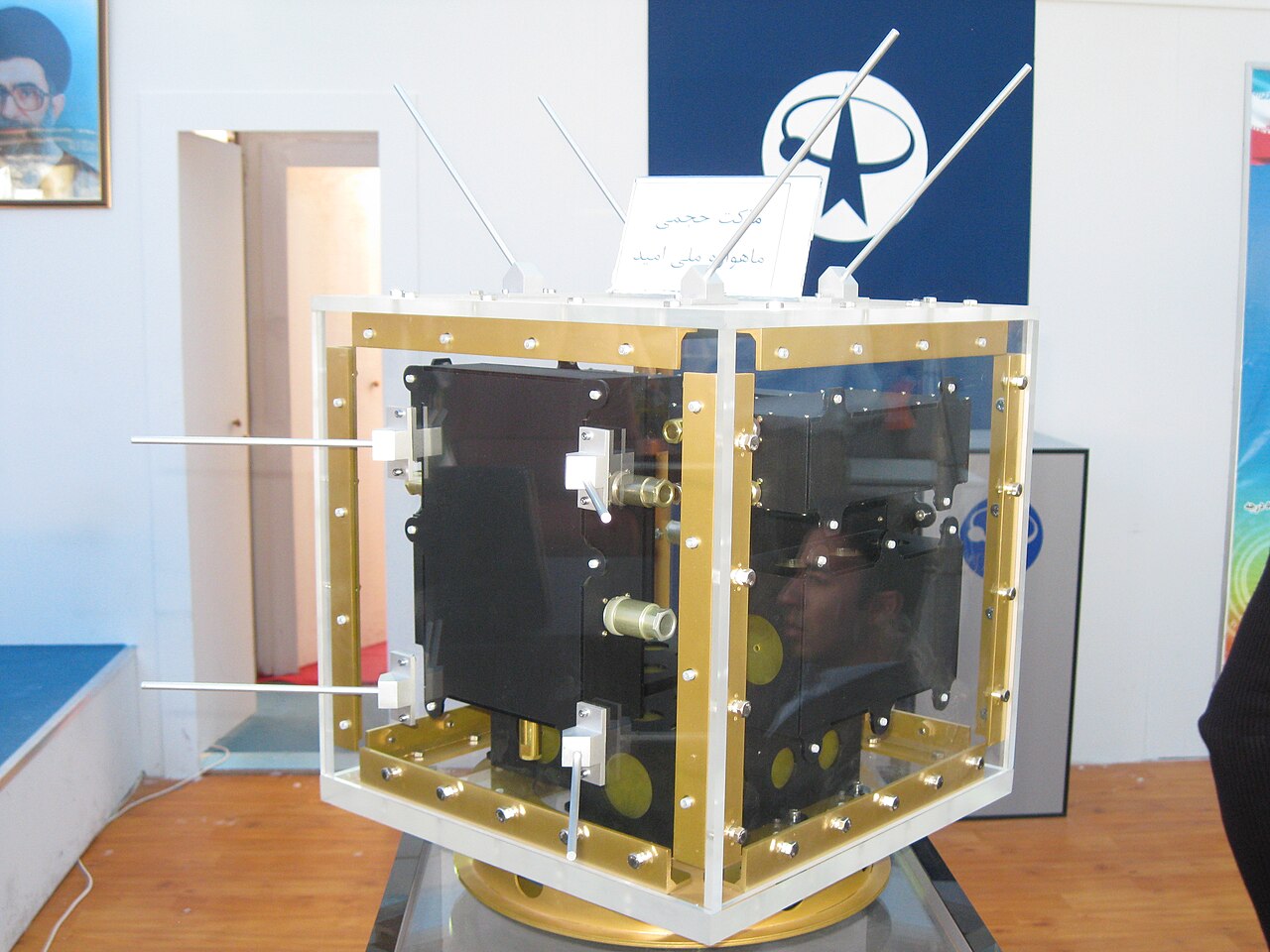
Other promising fields include aerospace, particularly in drones and small satellites, and advanced materials. In these areas, state-affiliated research centers are the dominant players, but there is an increasing trend of spinning out technologies for dual-use commercial applications. The common thread across all these sectors is the focus on import substitution and solving local problems with locally developed technology.
Navigating the Funding Labyrinth for Tech Ventures
Securing funding remains one of the most significant hurdles for Iranian tech startups and university spin-outs. The capital stack is developing but remains thin, especially at the crucial seed and Series A stages. The landscape is dominated by government or quasi-government funds, with a smaller, albeit growing, private venture capital scene.
The aforementioned Innovation and Prosperity Fund is the largest single source of capital, but its debt-based instruments are often better suited for more mature companies with predictable cash flows than for high-risk, early-stage tech ventures. To bridge this gap, the fund has also begun co-investing alongside private VCs, helping to de-risk investments for private players.
The private venture capital industry in Iran has emerged over the last decade, with several dozen active funds, most based in Tehran. Prominent names include Sarava Pars, Shenasa, and a handful of corporate venture arms. However, the total capital under management is modest by international standards, estimated to be in the range of $200-$400 million. These VCs provide crucial mentorship and network access but are highly selective.
Angel investors and accelerator programs provide the earliest stage of funding. Accelerators like Avatech and MAPS (affiliated with Sharif University) were pioneers, though the landscape is constantly shifting. Angel investors are typically high-net-worth individuals or successful entrepreneurs from the first wave of Iranian tech companies. Raising capital is a relationship-driven process, heavily reliant on networks originating from elite universities and business circles.
Core Challenges: Sanctions, IP, and Brain Drain
Despite the progress, three systemic challenges persistently hinder the growth of Iran's R&D commercialization ecosystem. The most pervasive are international sanctions, which isolate the country from global financial systems, technology supply chains, and export markets. Startups cannot easily use international cloud services, payment gateways, or software development platforms. This forces them to develop costly and often less efficient domestic alternatives.
Intellectual property (IP) protection is another major weakness. While Iran has domestic patent and trademark laws, enforcement is inconsistent. More importantly, the country is not a signatory to key international IP treaties, such as the Patent Cooperation Treaty (PCT). This makes it nearly impossible for Iranian companies to protect their innovations abroad and discourages foreign companies from licensing technology into Iran, stifling collaboration and technology transfer.
Finally, the persistent brain drain of top talent remains a critical constraint. The most skilled engineers, scientists, and entrepreneurs are often lured abroad by higher salaries, greater access to resources, and a more stable socio-economic environment. While the domestic talent pool is large, the departure of the most experienced and globally-connected individuals deprives the ecosystem of potential leaders, mentors, and future investors, capping its ultimate potential.
These three factors create a cycle of limitation. Sanctions exacerbate economic instability, which fuels brain drain. A weak IP regime deters the foreign investment that could help mitigate the effects of sanctions. Breaking this cycle requires not only grassroots innovation but also significant, high-level structural reforms that currently appear distant.
| Model | Key Characteristics | Primary Funding Source | Example |
|---|---|---|---|
| University Spin-Out | Founded by faculty/students; often begins informally; leverages university research and labs. | Angel investors, university seed funds, government grants. | A biotech firm developing a diagnostic kit based on a professor's research. |
| Science & Tech Park Tenant | A registered company operating within a park; benefits from shared infrastructure and networking. | Private VCs, Innovation and Prosperity Fund loans. | A software company in Pardis Park developing enterprise resource planning (ERP) solutions. |
| Corporate R&D Contract | University research team funded by a large private or state-owned enterprise for a specific project. | Corporate budget, state-owned enterprise contracts. | A university's material science department developing a new polymer for a petrochemical company. |
Strategic Outlook: Identifying Pockets of Opportunity
The outlook for R&D commercialization in Iran is one of constrained but resilient growth. The fundamental drivers—a deep talent pool and a state mandate for a knowledge-based economy—remain firmly in place. While large-scale foreign investment is unlikely in the current climate, opportunities exist for those with a high tolerance for risk and a deep understanding of the local market dynamics.
Strategic opportunities lie in ventures that cater to the large domestic market, effectively substituting for sanctioned goods and services. B2B software, industrial automation, and agricultural technology (AgriTech) are promising areas where local innovation can address specific, pressing needs without requiring significant international integration. These sectors benefit from a captive market and strong government backing.
For external partners and investors, the most viable entry points are often through indirect or non-equity arrangements. Licensing specialized technology (where IP risks can be managed), providing technical consultancy, or partnering with Iranian firms to target regional export markets (such as Iraq, Afghanistan, or CIS countries) can offer pathways to engage with Iranian innovation while mitigating direct exposure to sanctions-related risks.
Ultimately, the long-term trajectory of Iran's tech transfer ecosystem will depend on broader economic and political developments. However, the foundation of scientific expertise and entrepreneurial drive being built today ensures that if and when the external environment improves, the sector is poised for rapid acceleration. The current phase is about building capacity, solving domestic problems, and creating value within existing constraints.
Frequently asked questions
What is a 'knowledge-based company' in Iran?
A knowledge-based company in Iran is a firm officially certified by the Vice-Presidency for Science and Technology for producing high-tech goods or services. This status grants them significant tax exemptions, access to special government loans, and other financial incentives to promote innovation and R&D commercialization.
How many STEM graduates does Iran produce annually?
Iran produces a substantial number of STEM graduates each year, with estimates ranging from 200,000 to 250,000. This large talent pool, originating from universities like Sharif and Amirkabir, is a key driver of the country's technology and startup sector.
What is the role of Pardis Technology Park?
Pardis Technology Park is Iran's largest and most important science and technology park, acting as a central hub for the country's innovation ecosystem. It provides infrastructure, networking, and business development services for hundreds of established tech companies and startups, primarily in biotech, ICT, and advanced materials.
How do international sanctions affect tech startups in Iran?
Sanctions severely impact Iranian startups by blocking access to international banking, payment gateways, cloud services (like AWS), and software platforms. This isolation forces them to rely on less efficient domestic alternatives and cuts them off from global markets, investors, and technology supply chains.
Is foreign investment in Iranian tech startups possible?
Direct foreign investment is technically possible but extremely difficult and rare due to sanctions, financial transaction hurdles, and high legal risks. Most foreign engagement is indirect, occurring through partnerships with entities in neutral third countries or through funds that have special licenses, which are uncommon.
What are the main sources of funding for Iranian startups?
The main funding sources are government-backed entities like the Innovation and Prosperity Fund, a small but growing number of private domestic venture capital firms, and angel investors. The funding landscape is heavily weighted towards local capital due to the difficulty of attracting foreign investment.
Key entities in this analysis
- Vice-Presidency for Science, Technology and Knowledge-Based Economy GovernmentOrganization
- The key Iranian government body responsible for setting policy, evaluating companies, and promoting the national knowledge-based economy agenda.
- Sharif University of Technology Organization
- An elite public university in Tehran, widely regarded as Iran's leading institution for engineering and physical sciences and a major source of tech startups.
- Pardis Technology Park Organization
- The largest science and technology park in Iran, hosting a cluster of technology firms and playing a central role in the country's innovation ecosystem.
- Innovation and Prosperity Fund FinancialProduct
- A state-backed sovereign wealth fund established to provide financial support, primarily through loans and guarantees, to Iran's knowledge-based companies.
- Law for Protection of Knowledge-Based Companies Law
- The 2010 legislation that created the legal framework and incentive structure for knowledge-based companies in Iran, including tax breaks and financial aid.
- Amirkabir University of Technology Organization
- A leading public technological university in Tehran, known for its strong research output and significant contributions to Iran's engineering talent pool.
- University of Tehran Organization
- Iran's oldest and one of its most prestigious universities, with strong faculties in science and engineering that contribute to R&D and spin-out activities.
- Digikala Organization
- Iran's largest e-commerce company, often cited as a major success story of the country's digital economy and a model for later startups.
Related questions
- ›venture capital ecosystem in Tehran
- ›Sharif University of Technology startup success stories
- ›investing in Iranian biotechnology companies
- ›challenges of IP protection in Iran
- ›government incentives for tech companies in Iran
- ›nanotechnology research and development Iran
- ›iran's brain drain impact on tech sector
- ›list of science and technology parks in Iran
Methodology & sources
This analysis draws upon public statements and statistical reports from Iran's Vice-Presidency for Science and Technology, data from domestic chambers of commerce, and academic research on technology transfer within Iran. Figures and growth rates are compiled from these sources and industry estimates.